B2B definition guide business strategy
Understanding how does the B2B definition guide business strategy is crucial for companies aiming to succeed in markets where business-to-business transactions dominate. The B2B definition refers to the commercial exchange of goods or services between two businesses rather than between a business and individual consumers. This definition shapes how companies approach their marketing, sales, operations, and overall strategic planning. By grasping the nature of B2B interactions, businesses can better align their strategies to meet the specific needs and expectations of other companies, creating more effective and sustainable relationships.
At the core of the B2B definition is the emphasis on relationships, trust, and long-term collaboration, which directly influence business strategy. Unlike B2C (business-to-consumer) models, where individual consumer preferences and quick purchase decisions often dominate, B2B transactions usually involve complex decision-making processes, multiple stakeholders, and higher value deals. Understanding this complexity guides companies to develop strategies focused on building trust, providing tailored solutions, and maintaining ongoing communication with clients. Thus, the B2B definition pushes businesses to prioritize relationship management and customer service as integral parts of their strategic framework.
Additionally, the B2B definition highlights the importance of understanding client industries and their specific challenges. Since B2B customers are themselves businesses, they often require customized products, services, or solutions that fit their operational needs. This understanding shapes strategies around product development, marketing, and sales approaches that emphasize expertise and industry knowledge. Companies guided by a clear b2b definition invest in deep market research and client insights to craft strategies that resonate with the technical and business demands of their customers.
The sales cycle in a B2B context is typically longer and more involved than in consumer markets, a factor directly related to the B2B definition. This extended sales process means that business strategies must incorporate stages such as lead nurturing, relationship building, and after-sales support. Firms develop strategies that include multiple touchpoints, personalized communication, and educational content to help decision-makers understand the value proposition. Knowing that B2B decisions often require approval from various departments encourages companies to create targeted strategies addressing different stakeholders within a client organization.
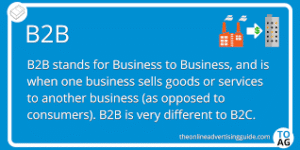
How does the B2B definition guide business strategy?
Pricing strategy also reflects the influence of the B2B definition. Since B2B transactions often involve large quantities or long-term contracts, pricing tends to be more negotiable and complex compared to consumer markets. This requires businesses to develop flexible pricing models and contract structures that can accommodate client needs while protecting profitability. The strategic approach to pricing in B2B settings often includes volume discounts, subscription models, or tiered pricing—all designed with the specific nature of business customers in mind.
Furthermore, the B2B definition guides digital transformation strategies. Many B2B companies are investing in technologies such as CRM systems, data analytics, and e-procurement platforms to streamline business processes and improve customer relationships. Understanding that B2B involves intricate, ongoing interactions encourages firms to adopt digital tools that enhance transparency, responsiveness, and efficiency. Strategic investments in technology are therefore aligned with the fundamental principles of the B2B definition.
Operational strategy is also affected by the B2B context. Companies must ensure reliable supply chains, quality assurance, and compliance with industry standards to meet the expectations set by the B2B definition. Strategies often focus on partnership development, risk management, and continuous improvement to sustain business relationships over time.
In conclusion, the B2B definition serves as a foundational guide for business strategy by highlighting the unique characteristics of business-to-business interactions. It directs companies to focus on relationship building, customization, longer sales cycles, flexible pricing, technological integration, and operational excellence. Firms that align their strategies with these principles are better positioned to meet client needs, foster loyalty, and achieve sustainable growth in B2B markets. Understanding how does the B2B definition guide business strategy is therefore essential for companies seeking success in the complex and dynamic world of business-to-business commerce.