The manufacturing industry is becoming increasingly competitive, with businesses focusing on improving production efficiency, managing customer expectations, and building long-term relationships with distributors, suppliers, and buyers. Manufacturers handle multiple activities every day, including customer inquiries, product quotations, sales orders, inventory coordination, and after-sales support. Managing these processes manually can create delays, communication gaps, and missed business opportunities.
To overcome these challenges, manufacturers are adopting digital solutions that simplify business operations and improve customer management. CRM software for manufacturing business is one such solution that helps manufacturers organize customer information, manage sales activities, track business opportunities, and improve communication between departments.
Whether you operate a small manufacturing unit, an industrial production company, or a large manufacturing enterprise, the right CRM system can help streamline your sales processes and support sustainable business growth.
What Is CRM Software for Manufacturing Business?
CRM software for manufacturing business is a digital platform designed to manage customer relationships, sales activities, business inquiries, and communication processes within manufacturing companies.
It provides a centralized database where businesses can store customer details, product requirements, quotation history, purchase records, and previous interactions.
For example, when a company receives an inquiry from a distributor for bulk product orders, the CRM system can record the inquiry, assign it to a sales representative, and track the communication process. The sales team can prepare quotations, schedule follow-ups, and coordinate with other departments to move the opportunity forward.
This organized approach helps manufacturers manage customers more effectively and reduce dependence on manual records.
Key Benefits of CRM Software for Manufacturing Companies
1. Better Customer Relationship Management
Manufacturing companies work with different types of customers, including wholesalers, distributors, retailers, and industrial buyers. Maintaining strong relationships with these customers is essential for repeat business.
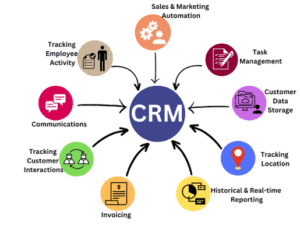
CRM software stores customer profiles, contact information, purchase history, product preferences, and communication records in one place.
Sales representatives can use this information to understand customer requirements and provide personalized services. Better customer management helps manufacturers improve satisfaction and build long-term business relationships.
2. Improved Lead and Sales Management
Generating and converting business inquiries is important for manufacturing companies looking to expand their market presence.
A CRM system collects leads from websites, email campaigns, trade exhibitions, social media, and referrals. Sales teams can categorize leads according to product requirements, industry, order quantity, and business potential.
Managers can monitor each opportunity through a structured sales pipeline and identify which inquiries need immediate attention.
This improves lead tracking and helps manufacturers convert more prospects into customers.
3. Efficient Quotation and Order Management
Preparing quotations and managing customer orders are important parts of manufacturing sales operations. Delays in quotation sharing or communication can affect customer satisfaction.
CRM software helps organize quotation requests, maintain pricing records, and track proposal status. Sales representatives can review previous discussions and coordinate with relevant departments before sharing offers.
When integrated with suitable order management or ERP systems, CRM software can also improve information sharing between sales and operational teams.
4. Better Coordination Between Departments
Manufacturing businesses require coordination between sales, production, inventory, finance, and customer support departments.
CRM software provides centralized customer information that authorized employees can access according to their responsibilities.
For example, sales teams can communicate customer requirements, while production teams can use integrated systems to review relevant order details and planning information.
This reduces information gaps and supports smoother business operations.
5. Improved Customer Retention
Retaining existing customers is essential for maintaining consistent revenue in the manufacturing industry.
CRM software helps businesses monitor customer interactions, purchase patterns, feedback, and previous orders. Companies can identify inactive customers and schedule follow-ups to understand their requirements.
Manufacturers can also share product updates, promotional offers, and information about new product launches with relevant customers.
These activities encourage repeat orders and strengthen customer relationships.
Essential Features to Look for in Manufacturing CRM Software
Before selecting a CRM platform, manufacturers should evaluate the features that match their business requirements.
Some important features include:
-
- Customer Database Management: Maintain organized customer profiles and communication history.
-
- Lead Management: Capture and track inquiries from multiple sources.
-
- Sales Pipeline Management: Monitor business opportunities from initial inquiry to deal closure.
-
- Quotation Management: Prepare and track customer quotations and proposals.
-
- Order Management Integration: Connect customer orders with relevant business systems.
-
- Follow-Up Automation: Schedule reminders and automate repetitive communication.
-
- Reports and Analytics: Monitor sales performance, customer activity, and business opportunities.
-
- ERP Integration: Connect CRM with enterprise resource planning and inventory systems.
-
- Mobile Accessibility: Allow sales representatives to access customer information remotely.
These features help manufacturers manage customer relationships and improve sales productivity.
How CRM Software Helps Manufacturing Businesses Increase Revenue
CRM software supports revenue growth by providing valuable insights into customer behavior and sales performance.
For example, manufacturers can identify their most profitable customers, understand popular product categories, and analyze which marketing channels generate quality inquiries.
Sales teams can also identify existing customers who may require additional products, upgraded solutions, or related services.
With organized customer information and timely follow-ups, manufacturers can reduce missed opportunities and improve repeat sales.
How to Choose the Right CRM for Your Manufacturing Business
Selecting the right CRM requires understanding your company’s size, sales process, production requirements, and customer management needs.
Consider these factors before choosing a platform:
-
- Select user-friendly software that employees can learn quickly.
-
- Look for manufacturing-specific sales and customer management features.
-
- Check integration options with ERP, inventory, and accounting systems.
-
- Ensure that mobile access is available for field sales representatives.
-
- Review data security and customer privacy capabilities.
-
- Compare pricing, scalability, and customer support.
Requesting a product demonstration or free trial can help you determine whether the CRM meets your operational requirements.
Conclusion
Managing customer relationships, sales inquiries, quotations, and business communication is essential for success in the manufacturing industry. Manual processes can create unnecessary complications and limit business productivity.
CRM software for manufacturing business provides a centralized solution to organize customer information, manage leads, simplify sales activities, and improve departmental coordination. Whether you operate a small manufacturing company or a large industrial enterprise, the right CRM solution can help improve customer satisfaction and create new growth opportunities.
Investing in manufacturing CRM technology is a smart step toward building a more organized, efficient, and customer-focused manufacturing business.