courts define constructive dismissal
Courts define Constructive dismissal as a situation where an employee is forced to resign because the employer has made a fundamental breach of the employment contract or created a work environment that is intolerable. Unlike a straightforward termination, the resignation appears voluntary, but the law treats it as a dismissal because the employee had no reasonable choice but to leave. Understanding this legal definition is crucial for employees seeking remedies and for employers looking to maintain compliant workplace practices.
A key factor in court decisions is whether the employer’s actions significantly altered the essential terms of employment. Examples include a major reduction in salary, demotion, or substantial changes in job responsibilities without the employee’s consent. Courts examine whether these actions were serious enough to undermine the employment agreement and make continued employment unreasonable. Minor changes or disagreements typically do not qualify.
Courts also consider the work environment itself. Persistent harassment, bullying, discrimination, or failure to address complaints can contribute to constructive dismissal. The legal focus is on whether the conditions created by the employer were so intolerable that a reasonable employee would feel compelled to resign. Evidence such as emails, performance reviews, and documentation of incidents often plays a critical role in court assessments.
Another element that courts analyze is whether the employee attempted to address the issue before resigning. Courts often favor employees who demonstrate they sought resolution internally, such as reporting harassment or requesting accommodations. This shows that resignation was truly a last resort, rather than a hasty decision. Constructive dismissal claims are strengthened when employees can establish a clear link between the employer’s actions and the resignation.
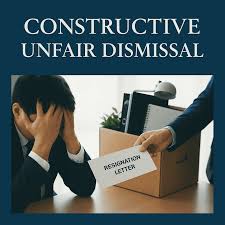
How do courts define constructive dismissal?
In cases where disability or accommodation issues are involved, the legal definition of constructive dismissal becomes more nuanced. Consulting a Disability lawyer for denied workplace accommodations can be vital if an employer fails to meet human rights obligations while creating intolerable work conditions. Courts have recognized that ignoring accommodation requests or denying necessary adjustments can amount to constructive dismissal. Just as htwlaw.ca provides guidance on legal processes for employees, courts rely on established evidence and precedent to evaluate whether a resignation was justified.
Courts typically apply an objective test, considering what a reasonable person in the same circumstances would have done. This prevents claims based solely on subjective feelings of dissatisfaction. Legal precedents from Ontario courts, the Supreme Court, and various administrative tribunals have reinforced that the focus is on the employer’s conduct and whether it fundamentally breached the contract or made the workplace intolerable.
It is important to note that constructive dismissal is not limited to harassment or pay cuts. Other examples include unilateral relocation, repeated demotions, or being forced to perform duties far outside the scope of the original agreement. Courts examine the overall impact of the employer’s actions, rather than isolated incidents, to determine whether the resignation was a forced response.
Ultimately, courts define constructive dismissal as a resignation triggered by the employer’s breach of contract or intolerable working conditions. Understanding this framework helps employees recognize their rights and ensures employers are aware of the boundaries of lawful workplace conduct. Consulting a Disability lawyer for denied workplace accommodations and leveraging resources like htwlaw.ca can provide guidance on navigating these complex legal situations while protecting employee rights.