people collect rare coins
Collecting rare coins, known as numismatics, is a fascinating and rewarding hobby that blends history, art, and economics. For many, it’s not just about accumulating valuable pieces of metal, but about preserving historical artifacts and the stories they tell. The journey of collecting rare coins often begins with a spark of interest and evolves into a dedicated pursuit, requiring knowledge, patience, and a keen eye.
One of the foundational ways people begin collecting rare coins is by sorting through change. While the chances of finding a truly rare coin in everyday circulation are slim, it’s a great way to familiarize oneself with different denominations, dates, and mint marks. This simple act can sometimes yield interesting finds, such as older issues, foreign coins that have found their way into local circulation, or even minor error coins that spark further interest. This initial engagement often leads to a desire for more specific and valuable pieces.
As collectors advance, they often focus on specific areas of numismatics. This specialization is key to building a meaningful and valuable collection. Some collectors might focus on coins from a particular country or historical period, like ancient Roman coins, Indian Princely State coins, or British Victorian-era coins. Others might concentrate on specific types of coins, such as error coins, proof coins, or commemorative issues. Still others might aim to complete a full set of a particular series, like all the Indian Rupee coins from a specific mint. This focused approach allows collectors to develop deep expertise in their chosen area.
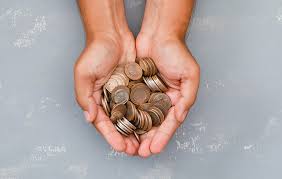
How do people collect rare coins?
Acquiring rare coins involves various avenues. One of the most common is through reputable coin dealers, both online and in physical stores. Dealers often have extensive inventories and can provide valuable insights, authenticate coins, and offer expert advice. Coin shows and conventions are another excellent resource, bringing together numerous dealers, collectors, and sometimes even grading services. These events offer opportunities to see a wide variety of coins, compare prices, and network with fellow enthusiasts. Online auction platforms, while offering a vast selection, require careful due diligence to ensure the authenticity and accurate description of the coins being offered.
Knowledge is perhaps the most crucial tool for any rare coin collector. This involves understanding grading standards (the condition of a coin significantly impacts its value), identifying mint marks, recognizing varieties and errors, and staying updated on market trends. Collectors often invest in numismatic literature, including specialized catalogs, price guides, and historical texts. Joining local or national numismatic clubs and forums provides invaluable opportunities to learn from experienced collectors, share knowledge, and access resources.
Preservation is equally vital. Rare coins should be handled minimally, ideally by their edges, to avoid damaging their surfaces. Storing coins in archival-safe holders, such as flips, slabs (sonically sealed plastic holders from professional grading services), or albums designed for coins, protects them from environmental damage and physical abrasion. Proper storage ensures that the coins retain their condition and value over time. Ultimately, collecting rare coins is a journey of discovery, where each acquisition adds to a personal treasury of history and beauty.